


💌 Love Philly? So do we. Let’s be friends. Sign up for the Billy Penn newsletter today.
In West Philadelphia, behind an old building at the Lee Cultural Center, a long patch of dirt sits among neighboring trees and overgrown weeds. While most locals would stroll along past the land and not think twice, for a Philly immigrant community from Myanmar (formerly Burma) — the unused soil is a haven, teeming with possibilities.
“We are very excited about our new project,” Naw Day, co-executive director of the Karen Community Association of Philadelphia (KCAP), told Billy Penn on Saturday. “This is our new land. We secured this place one year ago — finally, approved everything. So today is [the] groundbreaking.”
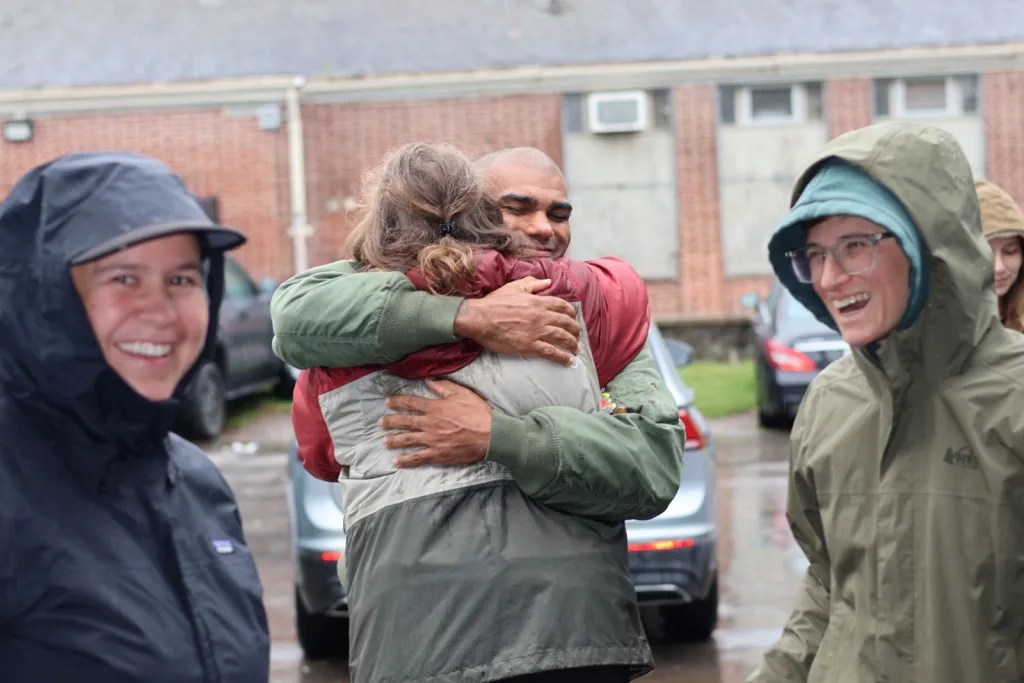
The plan, she said, is to turn the space into a new community garden. Saturday’s groundbreaking went on despite nor’easter rain. After all, a little downpour is nothing for this population.
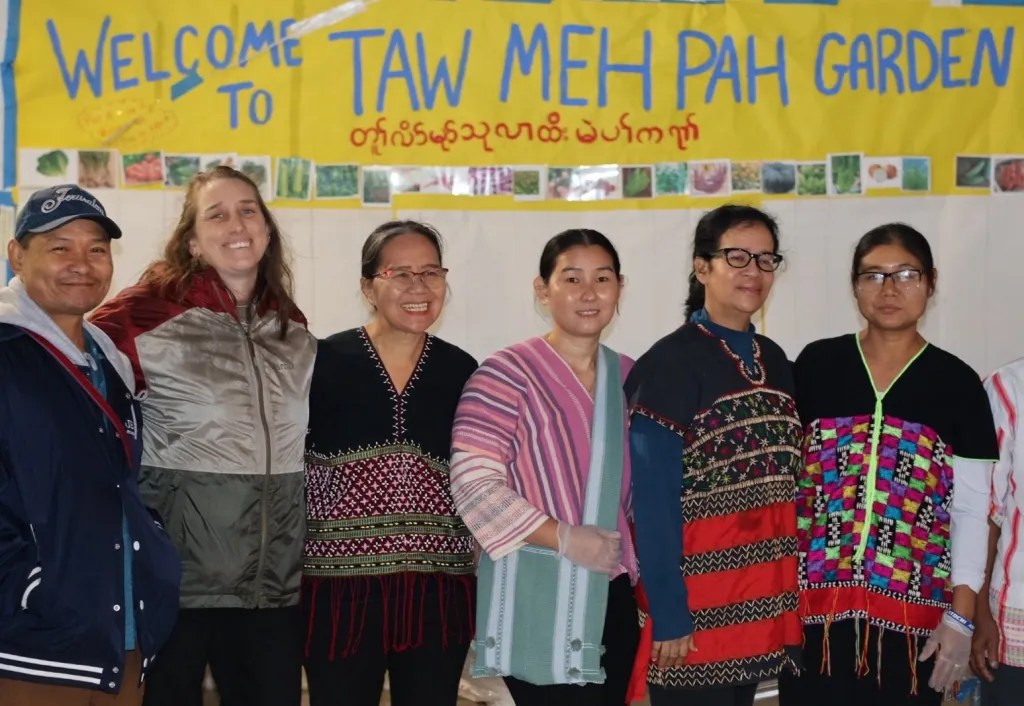
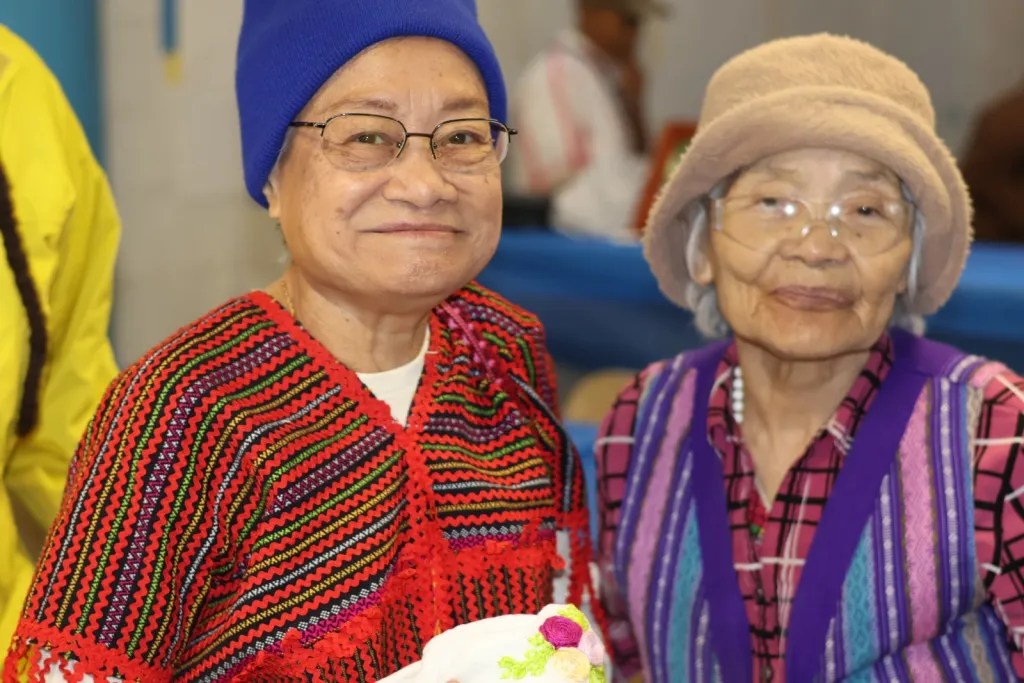
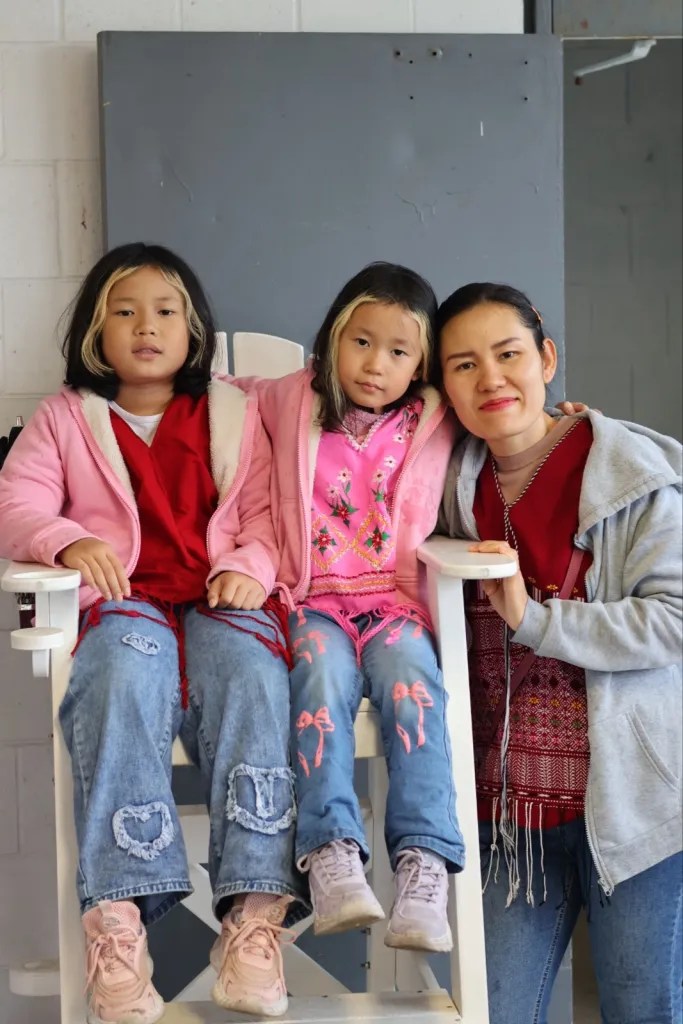
Naw Day is a Karen refugee (kuh-REN) — a minority group that has gone through civil war and genocidal violence in their home country. Many began to flee to Philadelphia in the mid 2000s. KCAP leaders note that an estimated 500 Karen community members currently live in South Philadelphia.
Karen people are also avid subsistence farmers. Many spent years hiding in jungles from the Burmese army, surviving and growing their own food.
“[The garden] is a huge deal to people because obviously people have a history of being forced off of their land and having to migrate, and always carrying seeds with them,” said Rebecca Winkler, an anthropology doctoral candidate at the University of Pennsylvania and project coordinator for the KCAP. “And so, over the last 15 or so years… we’ve grown at all different sites in Philadelphia. Some in South Philly, some in West Philly, and none of that land has ever been permanently secure.”
This new space at Lee Cultural Center, however, is theirs. It’s called the Taw Meh Paw Community Garden, after an ancestral figure in Karen folklore. The space represents home, unity, peace and resilience. The KCAP has partnered with Farm Philly for a long-term lease that allows the Karen people to maintain the land for as long as they choose to do so, according to Winkler.
“It’s about as secure as land security can be in Philadelphia,” she said.
“This is our community‘s big dream,” Naw Day said. “Especially to the elderly people. Every year, in summertime, they are waiting for plants. They are waiting for gardens to open. They will enjoy going and seeding, planting, watering every single day, because they miss their home.”

One grandmother in the community brought soil from her home in Myanmar to the new location.
“She has soil that she has been carrying with her this whole time that she can finally put in the ground here as a permanent place,” Winkler said. “Because wherever you plant, that is where your home is.”
Getting to this point was no small feat. The Karen people have moved from different community gardens throughout the years, such as Novick Urban Farm on Lawrence Street. Many do not speak English, but instead their native language S’gaw Karen, which is rarely an option on government forms.
“This is 15 years of amazingly hard work,” said Sally McCabe with the Pennsylvania Horticultural Society. “You’ve got land issues. You’ve got language barriers. You’ve got climate barriers.”
“They’re gonna terrace the hills. They’re gonna garden in the woods,” she added. “They’re gonna garden behind the health center. They’re just gonna make it work.”

Clara Varadi-True is an urban farming expert who has been working with Philly’s Karen population for years. On Saturday, she was leading tours in the drizzle to different groups — laying out plans for the new garden.
“The farms will have five to eight core farmers, and probably 25 farmers totally,” she explained. “When they fled their refugee camps and then through Thai refugee camps, and then to South Philadelphia, farming is their lifelong skill. So it’s really special to have the ability to kind of reconnect with that and feed their community.”
The goal is to grow crops native to Southeast Asia like peppers, bananas, papayas and more. Something that is only becoming easier, as Philadelphia grows hotter and wetter thanks to climate change.

“We will be clearing trees,” Varadi-True said. “We’ll do a lot of forest planting there, and possibly have our shed and wash station back there too under the trees, but we’ll be clearing out all the invasives.”
“All said and done, we’ll use every inch of it,” she added.
The group is also planning to grow rice thanks to a steep slope on one side of the property.
During Saturday’s groundbreaking, the KCAP was also holding an indoor potluck. The food was made with crops they had cultivated. One long-term goal for the space is to start selling affordable, organic produce back to neighbors in West Philly. Perhaps even turn the site into a summer camp for Karen youth, so that they can learn farming skills from their elders.

Jacquie Morges works with SoWe, a nonprofit in Lancaster City. She was walking around the grounds to learn more about the KCAP mission and joined in on the potluck.
“Just hearing the presentation made me want to cry,” said Morges. “These are the beautiful community wins where people really get to be their whole selves, and I think that’s what America should be about — is this melting pot that learns from each other.”
What’s more, KCAP leaders noted that this new space will not just be for Karen people, but all neighbors in West Philadelphia.
“We want to maintain our traditional plants, save our seeds and share them with other people who need these vegetables too,” Naw Doh, co-executive director of the KCAP told BP in an email. “Especially other immigrants and refugees from South East Asia, India and Africa. We need our food for our happiness and health. It is so important that we have fresh, local, and organic produce that we can afford.”
“I want us to know what our foods can do to keep us healthy and to teach the young people that healthy eating can taste good,” she added. “It makes us happy to grow together. Home is a special feeling and taste, and the garden will help to give us a place to feel at peace and to heal. This will be a place where we can remember our stories and memories. Finally we have a home.”


